How to
get rid of ingrown hairs
Ingrown hairs
Explained
Ingrown hairs can be uncomfortable and occasionally painful, and they are a common occurrence after shaving or waxing. Managing ingrown hairs is essential to prevent infections and scarring, ensuring both skin health and comfort.
What do
ingrown hairs look like?
6 common causes for
Ingrown Hairs

Ingrown hairs can develop due to a combination of factors, which can vary from person to person. Understanding these causes can help you take preventive measures:
- Hair Type:
The type of hair you have plays a significant role in developing ingrown hairs. Curly or coarse hair is more likely to bend back into the skin as it grows, increasing the risk of ingrown hairs.
- Hair Removal Methods:
Ingrown hairs are often associated with hair removal techniques, such as shaving, waxing, and plucking. When hair is cut or removed, it may have a sharp tip that can easily pierce the skin or curl back into the hair follicle, causing ingrown hairs.
- Improper Technique:
Using improper shaving or hair removal techniques can contribute to ingrown hairs. Shaving against the direction of hair growth, using dull razors, or applying too much pressure while shaving can increase the likelihood of ingrown hairs.
- Dead Skin Cells:
Accumulation of dead skin cells on the skin's surface can block hair follicles, making it difficult for the hair to grow out properly. This can lead to the hair curling back into the skin.
- Tight Clothing:
Wearing tight-fitting clothing, especially immediately after hair removal, can create friction against the skin. This friction can force newly growing hairs to bend or become trapped, increasing the risk of ingrown hairs.
- Skin Type:
Your skin type can also influence your susceptibility to ingrown hairs. People with dry skin may be more prone because dry skin can create a barrier that hinders proper hair growth.
4 general tips for
How to Prevent Ingrown Hairs
To minimise the occurrence of ingrown hairs, consider the following general tips:
- Exfoliation:
Regularly exfoliate your skin to remove dead cells and prevent hair from becoming trapped beneath the surface.
- Recomended Shaving Technique:
If you shave, use a sharp, clean razor and shave in the direction of hair growth. Avoid pressing too hard or going over the same area repeatedly.
- Avoid Tight Clothing:
Wear loose-fitting clothing, especially after hair removal, to reduce friction and irritation.
- Moisturise:
Keep your skin well-hydrated with a suitable moisturiser to prevent dryness that can lead to ingrown hairs.
Ingrown Hairs
What is an ingrown hair?
Hair trapped beneath the skin, causing redness and bumps, often after shaving or waxing.
Varied appearance
Ingrown hairs can manifest as small red bumps, pustules, or painful lumps, with appearance influenced by factors like hair type and grooming practices.
Hair growth direction
Shaving or waxing against the direction of hair growth can increase the likelihood of ingrown hairs.
How to get rid of ingrown hairs
To get rid of ingrown hairs, gently exfoliate the affected area and apply a warm compress, then use a clean needle or tweezers to free the trapped hair carefully.
Strategies to
Avoid Ingrown Hairs on Various Body Areas

Before shaving, exfoliate your legs to remove dead skin cells.
Use a moisturising shaving gel or cream.
Shave in the direction of hair growth.
Exfoliate the armpit area regularly, but be gentle to avoid irritation.
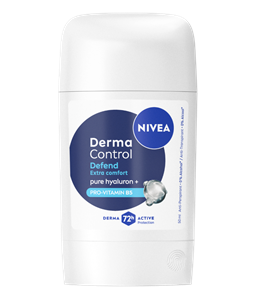
Consider using a sensitive, skin-friendly antiperspirant to reduce friction.
Use a sharp, clean razor or consider electric razors for facial hair.
Shave after a warm shower to soften the hair.
Apply a gentle aftershave or moisturiser.
Keep your beard clean and well-maintained with regular grooming.
Use a beard trimmer to maintain an even length and minimise irritation.
Approach intimate area hair removal carefully and consider professional waxing or consult a dermatologist.
Avoid tight clothing immediately after hair removal.
By following these body-specific prevention strategies, you can significantly reduce the likelihood of ingrown hairs and enjoy smoother, irritation-free skin.
How to
get rid of Ingrown Hairs
Warm Compresses: Apply a warm, damp cloth to the affected area for a few minutes to soften the skin and hair. This can help the hair emerge more easily.
Exfoliation: Gently exfoliate the area using a soft brush or a scrub to remove dead skin cells. Regular exfoliation can prevent future ingrown hairs.
Tweezing or Extraction: Use sterilised tweezers to carefully lift the ingrown hair from the skin. Make sure to do this with clean hands to avoid infection.
Topical Creams and Lotions: Over-the-counter creams containing ingredients like Salicylic Acid or Glycolic Acid can help exfoliate and reduce inflammation. Apply them as directed.
In severe cases or if you have multiple ingrown hairs in one area, it's advisable to seek professional help. A dermatologist can safely extract ingrown hairs and recommend appropriate treatments.
Dealing with
Ingrown Hair Bumps and scarring

Proper care and prevention
To address an ingrown hair spot or bump, follow these steps for proper care and prevention:
- Keep the Area Clean:
Maintain good hygiene in the affected area to prevent infection. Cleanse gently with mild soap and water regularly.
- Avoid Aggravation:
Refrain from picking or squeezing ingrown hair bumps or pimples, as this can lead to further irritation, infection, or scarring.
- Topical Treatments:
Apply antibacterial ointments or creams to the affected area to help prevent infection.
- Exfoliation:
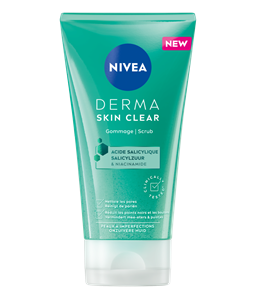
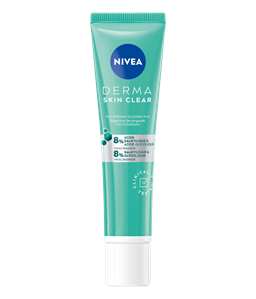
Maintain regular exfoliation for ongoing ingrown hair prevention. Opt for exfoliators featuring Salicylic Acid, Glycolic Acid, like NIVEA's Derma Skin Clear Chemical Exfoliator. Harnessing Salicylic Acid, Glycolic Acid, and Niacinamide in an antibacterial formula to aid your skin's natural renewal process.
Avoiding scarring
To minimise scarring caused by ingrown hairs, consider the following:
- Avoid Picking:
Resist the urge to pick at ingrown hair bumps or pimples, which can lead to scarring.
- Scar-Reducing Creams:
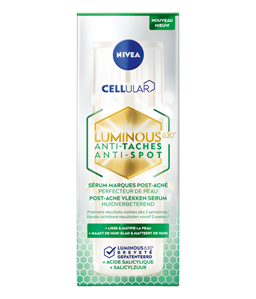
Consider using scar-reducing creams or gels that contain ingredients like Luminous630 or Hyaluronic Acid to improve the appearance of scars over time. NIVEA Cellular Luminous630 Anti Dark-Spot Post-Acne Mark Serum is formulated with Salicylic Acid and Hyaluronic Acid. It smooths the skin and reduces post-acne dark scarring over time for an even, luminous complexion.
- Consult a Dermatologist:
If scarring persists or worsens, consult a dermatologist for professional tailored advice.
By following proper care and prevention measures, you can effectively deal with ingrown hair pimples and bumps while minimising the risk of scarring.
Shaving routine
to prevent ingrown hairs
Choose the Right Razor:
Use a clean, sharp, and preferably single-blade razor. Multi-blade razors can cut the hair below the skin's surface, increasing the risk of ingrown hairs.
Exfoliation:
Exfoliate your skin regularly, 2-3 times at least a week is recommended. Use an exfoliating product with Salicylic or Glycolic Acid, this helps remove dead skin cells that can block hair follicles, leading to ingrown hairs. The NIVEA Derma Chemical Exfoliator is suitable for daily use and utilises the benefits of Salicylic Acid & Glycolic Acid to help achieve clearer-looking skin in just 7 days.
Warm Shower:
Take a warm shower or use a warm, damp cloth to soften the hair and open up your pores. This makes shaving easier and will reduce the likelihood of causing any ingrown hairs.
Use Shaving Cream or Gel:
Apply a good-quality shaving cream or gel to create a lubricated surface for the razor to glide smoothly. A shaving gel or cream specialised for sensitive skin is preferred as this will avoid irritation that can lead to ingrown hairs.
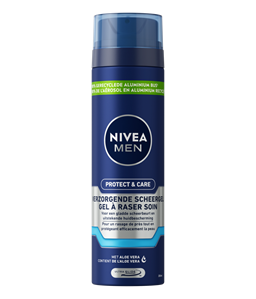
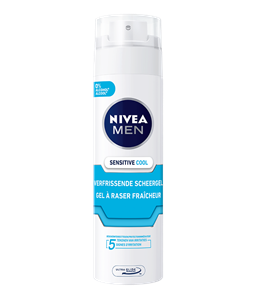
NIVEA MEN Sensitive Shaving Gel is an alcohol-free shaving gel which has Chamomile extract to help towards a smooth, irritant-free shave.
Shave in the Direction of Hair Growth:
Always shave in the direction that your hair naturally grows. Shaving against the grain can increase the likelihood of ingrown hairs.
Don't Apply Too Much Pressure:
Let the razor do the work. Applying excessive pressure can cut the hair too closely to the skin, leading to ingrown hairs.
Cold Water Rinse:
After shaving, rinse your face with cold water to close the pores and reduce irritation.
Apply an Aftershave balm:
Use an alcohol-free aftershave or a moisturising balm to soothe and hydrate your skin. Look for products with ingredients like Aloe Vera or Chamomile.
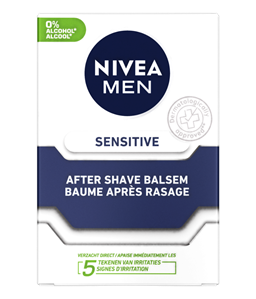
NIVEA MEN Sensitive Cool Post Shave Balm is an alcohol-free balm with Chamomile extract. It cools and provides intensive, long-lasting hydration for ultimate skin comfort.
Regular Moisturising:
Keep your skin moisturised daily, even on non-shaving days. Dry skin can lead to hair follicle blockage and ingrown hairs.
Change Razor Blades Regularly:
A dull razor can tug on hair and cause irritation. Change the razor blade or cartridge as soon as it starts feeling dull.
Ingrown Hairs
at a glance
The management and prevention of ingrown hairs are essential for maintaining healthy and comfortable skin. By understanding the causes of them and employing tailored skincare strategies, you can significantly reduce the occurrence of ingrown hairs. Proper preparation, shaving techniques, and the use of suitable products are key components of this process. It is important to prioritise hygiene and adapt your routine for different body areas. In cases of severe ingrown hairs or persistent scarring, seeking professional advice from a dermatologist is recommended. By implementing effective care and prevention measures, you can achieve smoother, irritation-free skin and eliminate the inconvenience of ingrown hairs.
FAQs