How To Treat Sunburn:
Discover 6 Key Tips
What is Sunburn and
What Causes it?

- Have fair or sensitive skin that burns easily:People with fair skin have less melanin, the pigment that provides some protection against UV radiation. This makes them more susceptible to sunburn. People with sensitive skin may also react more severely to sun exposure, even after a short time.
- Use tanning beds or lamps frequently:Tanning beds and lamps emit UV radiation, which could cause skin damage and increase the risk of sunburn. Frequent use of these artificial tanning methods could lead to progressive skin damage and heighten the likelihood of getting burned.
- Reflective surfaces like water, snow, or sand:Be cautious near reflective surfaces like water, snow, or sand, as they intensify UV exposure. Swimming, skiing, or being at the beach could increase the risk of sunburn due to these reflections. Additionally, prolonged exposure through a window could lead to skin damage and, in some cases, even sunburn, as the glass does not completely block UV rays.
- Spend a lot of time outdoors without sun protection:Whether at the beach, hiking, or doing yard work, being outdoors for extended periods without proper protection increases the risk of sunburn. It is important to wear sunscreen, hats, and protective clothing, and to seek shade whenever possible.
6 Common Sunburn
Symptoms to Watch For
- Redness:The skin turns noticeably red and feels warm to the touch. This redness is caused by increased blood flow to the affected area as the body tries to repair the damage.
- Pain:The sunburned area often becomes tender and painful. The pain could range from mild discomfort to severe pain, depending on the extent of the burn.
- Swelling:Sunburn could cause the skin to swell and feel tight. Swelling is a sign of inflammation as the body responds to the skin damage.
- Blisters:In more severe cases, blisters might form on the sunburned skin. These blisters are filled with fluid and could be very painful. It is important not to pop them, as they help protect the underlying skin during the healing process.
- Peeling:As the skin heals, it often peels away to remove the damaged cells. This is a normal part of the healing process, although it could get itchy.
- Flu-like Symptoms:In extreme cases, sunburn could cause systemic symptoms such as headaches, fever, chills, and fatigue. These symptoms indicate a more severe reaction and may require medical attention.
How to
Help Sunburn

- Get Out of the Sun:The first step is to get out of the sun to prevent further damage. Find shade or go indoors. Protect the sunburned skin from further sun exposure.
- Cool Down the Skin:Take a cool (not cold) shower or bath to help soothe the skin. Avoid hot baths and showers as hot water could further irritate the sunburned skin.
- Cold Compresses:Use cold, damp cloths on the sunburned areas for 10-15 minutes at a time. This could help reduce heat and pain. However, do not put ice or ice packs on sunburnt skin.
- Stay Hydrated:Drink plenty of water to help your body recover. Damaged skin is more permeable to water vapour, which can then escape from the body more easily.
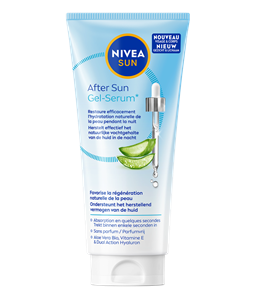
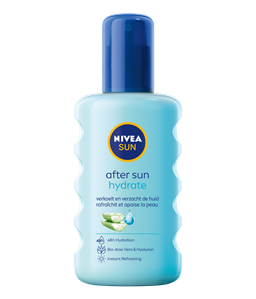
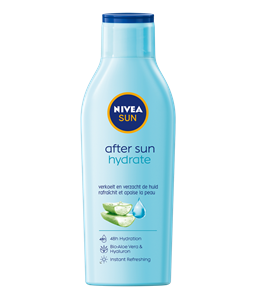
- Apply Moisturising Cream:Once the skin has cooled down after a cool shower or bath, apply a gentle moisturiser or after-sun lotion to keep the skin hydrated and prevent peeling. Depending on the severity of your sunburn, it may be advisable to consult a health professional before applying any products to the skin.
- Consider Medical Treatment:if you are in pain, painkillers available from pharmacies may help. In the event of serious symptoms such as large blisters, extreme pain, signs of infection or temperature, you should consult a doctor immediately.
NIVEA Sun UV Face Specialist
Triple Protect SPF 50+
The NIVEA Sun UV Face Specialist Triple Protect SPF 50+ offers advanced protection for your skin. This lightweight formula shields your face from harmful UV rays, pollution and blue light damage, helping to prevent sun-induced ageing and pigmentation.
Enriched with Vitamin E, Hyaluronic acid and Algae Extract, it helps hydrates and moisturises while protecting your skin from environmental stressors. Ideal for daily use, it provides high-performance care without clogging pores, leaving your skin radiant and smooth,
How To Care For Sunburn
Causes of Sunburn: UV rays from the sun damage skin cells, leading to redness, pain, and swelling.
Risk Factors: Higher risk for sunburn includes being outdoors without protection, having fair skin, using tanning beds, or being near reflective surfaces like water or snow.
Key Symptoms: Watch for redness, pain, swelling, blisters, peeling, and flu-like symptoms to act quickly.
Treatment Tips: Get out of the sun, cool your skin, use aftersun moisturisers and drink enough water to stay hydrated. If blisters appear, avoid piercing them. If they are extensive, or in other serious cases, consult a doctor.
How to
Avoid Sunburn

The UV index measures how strong the sun's rays are on a given day. Check the UV index before you go outside. A higher number means a greater risk of sunburn, so take extra precautions on those days.
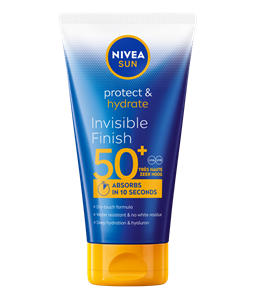
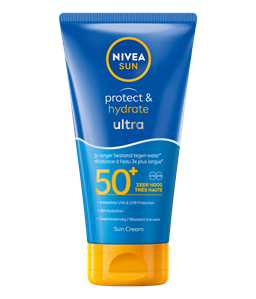
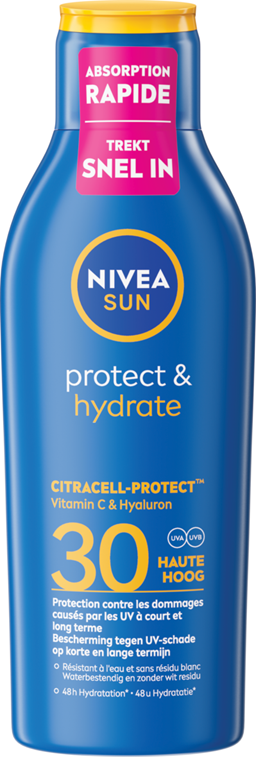
Apply a broad-spectrum sunscreen with at least SPF 30. Cover all exposed skin, including your ears, neck, and feet. Reapply every two hours, or more often if you are swimming or sweating. Explore the NIVEA Protect & Moisture Spray which offers immediate UV protection while keeping the skin moisturised for 48 hours*
*Instrumental test, 50 volunteers
The face is one of the most exposed areas to the sun and could easily get sunburned. Use a higher SPF on these areas such as the NIVEA SUN Triple Protect 50+ Sun Care especially developed for delicate facial skin. It protects the skin from the outside, against UVA/UVB rays and the effects of high-energy visible light, responsible for skin damage and premature ageing.
Applying lip balm is important, not only for enhancing the hydration of your lips, but also for providing a layer of protection against environmental damage such as UV rays. Consider using the NIVEA Sun Protect Lip Balm SPF 50 or NIVEA Hydro Care Lip Balm with SPF 15 to moisturise lips while providing light UV protection.
- Avoid Certain Products: Avoid products with petroleum jelly or high-fat content, as they could trap heat and worsen sunburn.
- No Tight Clothing: Wear loose, soft clothing to avoid irritating the sunburned areas.