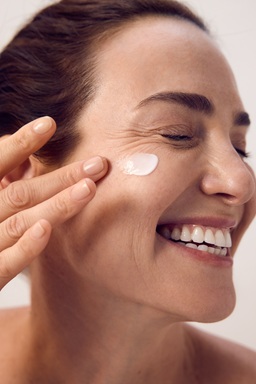
How to Make Your Skin Glow:
4 TIPS AND ROUTINE
What is
Glowy Skin?
Glowing skin appears hydrated, smooth, and naturally luminous. It reflects light evenly, giving the skin a fresh appearance. It can also be referred to as glass skin for its glass-like appearance. Achieving glowy skin involves maintaining a well-balanced skincare routine that includes gentle exfoliation, and the use of hydrating ingredients like Hyaluronic Acid. Beyond skincare, lifestyle factors such as eating nutrient-rich foods and getting enough sleep also play a role in achieving a radiant complexion.
6 Factors
Can Impact Your Glow

- Lack of hydration:Dehydrated skin looks tired and lacks radiance. Drinking enough water, around 6 to 8 glasses (1.5 to 2 liters) per day and using hydrating skincare can help to restore its glow.
- Dead skin cell buildup:Skin renewal slows down with age, leading to a dull appearance. Regular exfoliation helps slough off dead skin cells to reveal fresh, glowing skin.
- Poor skincare routine:Using the wrong products or skipping key steps can impact your glow. A consistent routine with the right ingredients can enhance the skin's natural luminosity.
- Aging process:As we age, skin loses elasticity and natural radiance. Using serums with ingredients such as Thiamidol, Vitamin C, Hyaluronic Acid, or Retinol can help to make your skin glow.
- Seasonality:In winter, lower humidity levels can cause skin to become drier and more prone to dullness. In summer, increased sun exposure may give the skin a natural glow, but without adequate sun protection, it can also lead to dehydration.
- Menstrual cycle:The ovulatory phase brings higher levels, leading to increased hydration and glow, whereas the luteal phase (before menstruation) is marked by a drop in Estrogen and a rise in Progesterone, which can cause oiliness or dullness.
4 Tips for
Glowing Skin
Achieving glowing skin isn't just about skincare, it's also about maintaining healthy lifestyle habits that help your skin glow from within. From getting enough rest to fueling your body with the right nutrients, these simple yet effective tips can help you achieve a long-lasting glow.
- Get enough sleepAim for 7-9 hours of quality sleep per night to allow your skin to repair and regenerate, to help reduce signs of fatigue and dullness.
- Manage stressHigh stress levels can lead to breakouts and dull skin. Practice mindfulness, meditation, or relaxation techniques to maintain a glow.
- Exercise regularlyPhysical activity improves circulation, which helps deliver Oxygen and nutrients to the skin, leaving it looking fresh and glowing.
- Eat a nutrient-rich dietIncorporate antioxidant-rich foods such as berries, leafy greens, and Omega-3 fatty acids to promote skin health.
How to make your skin glow
What makes the skin glow? Skin glows when it is well-hydrated and properly exfoliated. Ingredients such as Thiamidol, Hyaluronic Acid, Vitamin C, and Niacinamide can help boost hydration and brighten the complexion.
Why is hydration important for radiant skin? Hydrated skin appears plumper. Drinking enough water and using moisturising ingredients such as Hyaluronic Acid can help maintain hydration levels and prevent dryness.
How does exfoliation promote glowy skin? Using gentle exfoliants such as AHAs and BHAs can help improve skin texture by removing dull, dead skin cells, revealing a smoother surface for radiant glowing skin. Exfoliation also allows other skincare products to penetrate deeper and work more effectively.
Skincare routine for
Glowing Skin